Tempo
AR Cycling Glasses
Hello there

The Divisi speaker family mimics the immersive atmosphere of a live performance
Overview
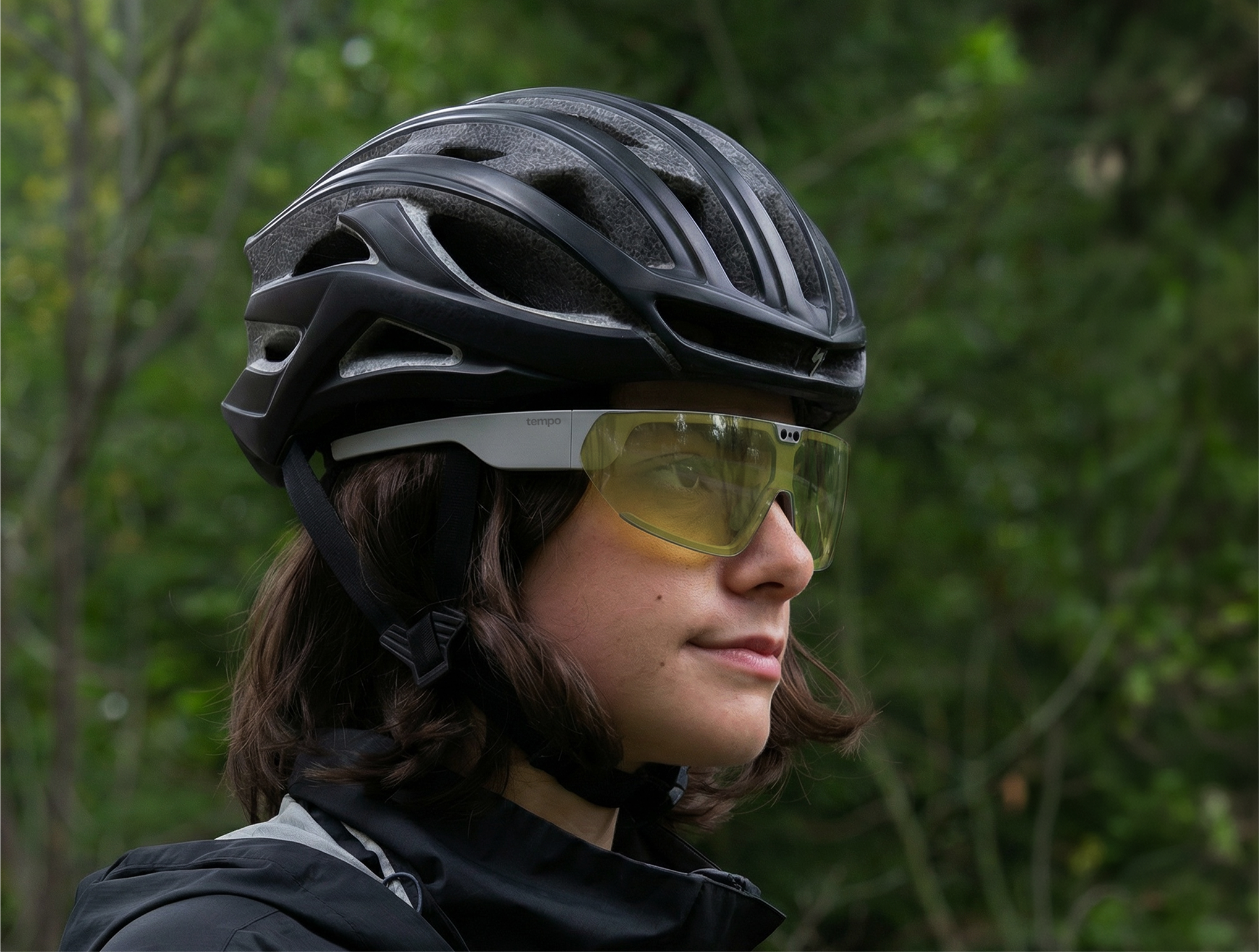
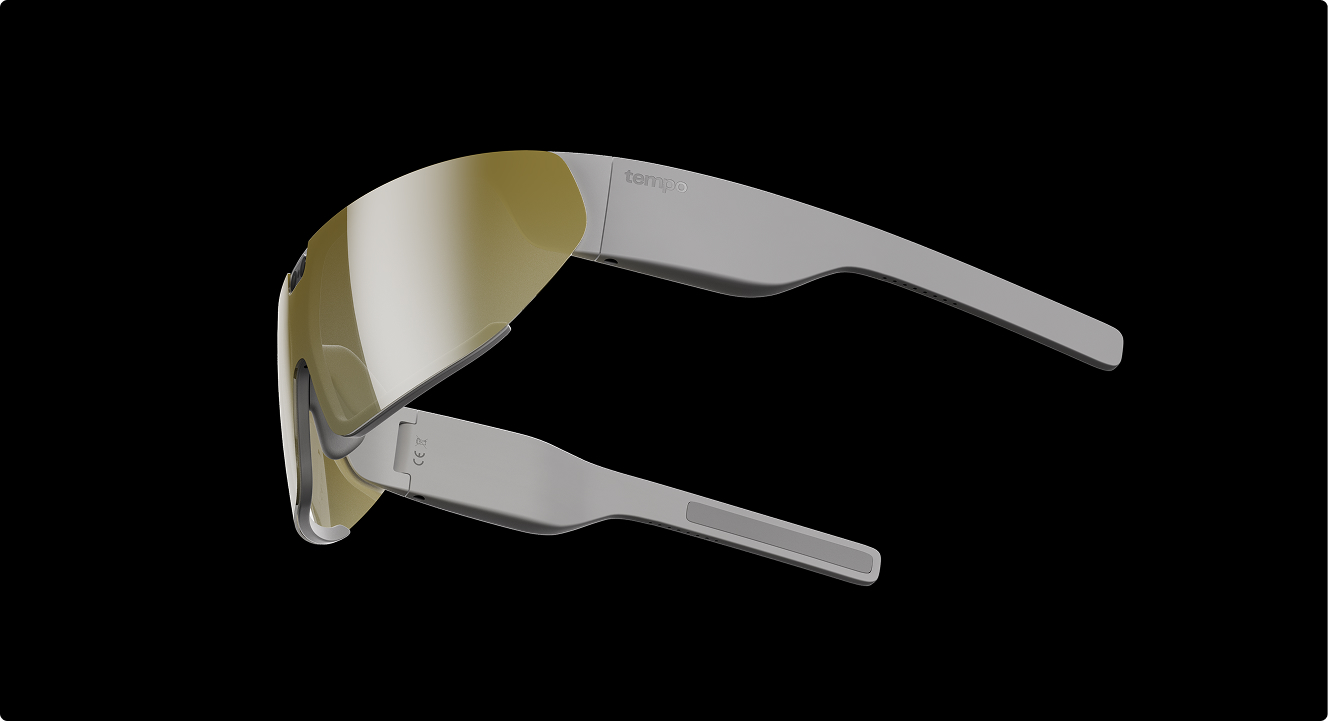
Tempo is a pair of AR glasses designed to address two of the biggest hurdles in performance cycling: tracking ride metrics and managing pre- and post-ride maintenance and planning.
Along with another ID classmate, I was asked to design the physical form of this project once the interaction design team had formulated its premise.
Along with another ID classmate, I was asked to design the physical form of this project once the interaction design team had formulated its premise.
Project Duration:
4 weeks
Feb - mar 2026
4 weeks
Feb - mar 2026
COntributors:
Macks Brooks
Lia Chon
Hayden Dernbach
Kiana Gregorich
Kaitlyn Ellington
Caleb Aguiar
Eli Kimchi
Macks Brooks
Lia Chon
Hayden Dernbach
Kiana Gregorich
Kaitlyn Ellington
Caleb Aguiar
Eli Kimchi
instructor:
Axel rosler
Axel rosler
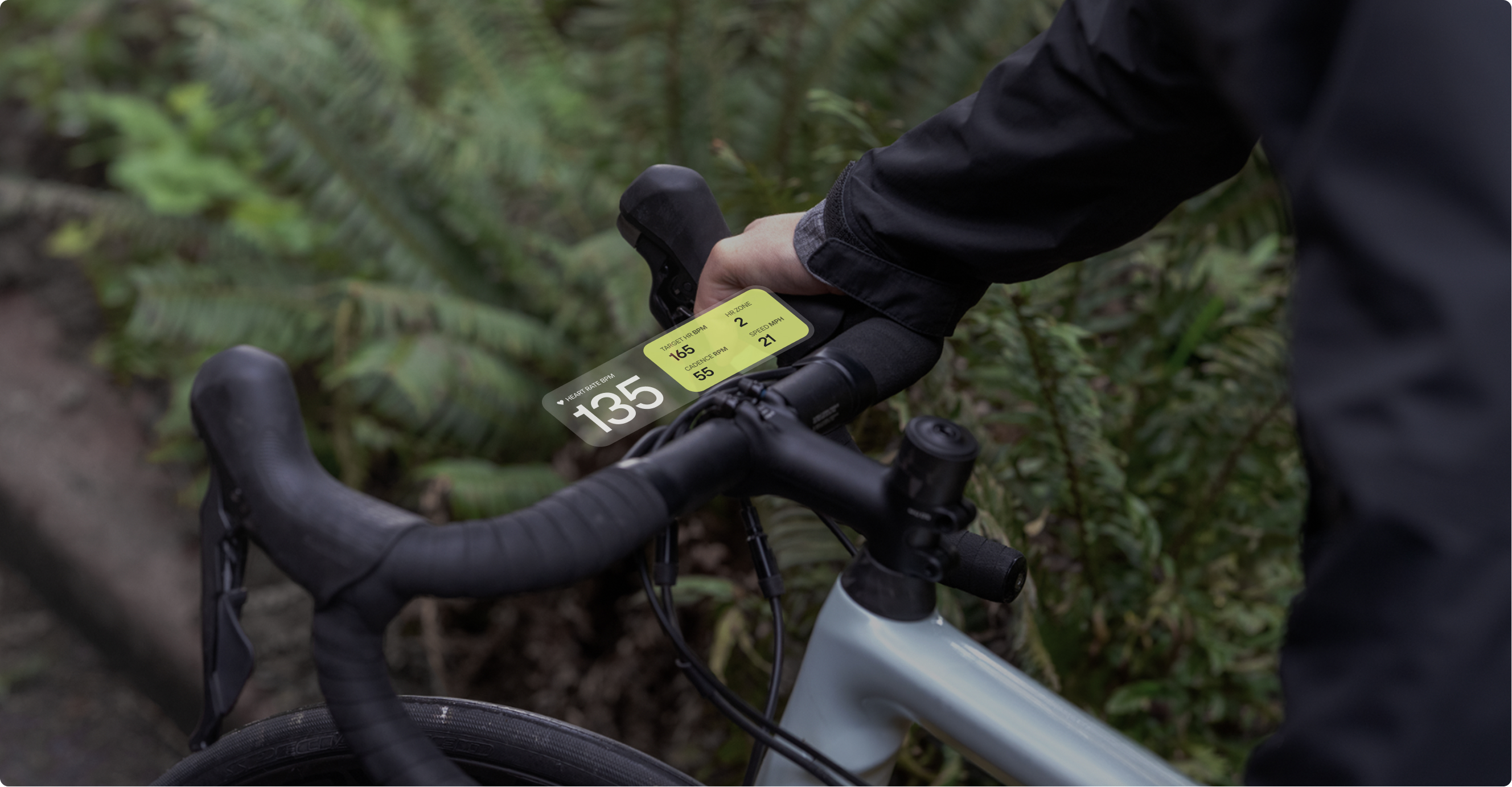
Project scope
For every hour spent riding, cyclists often spend an additional 30 to 60 minutes planning routes, preparing, and maintaining gear, creating friction that limits how often they can get out on the bike. Tempo addresses this by consolidating the tasks of several fragmented devices into one unified aid.
features
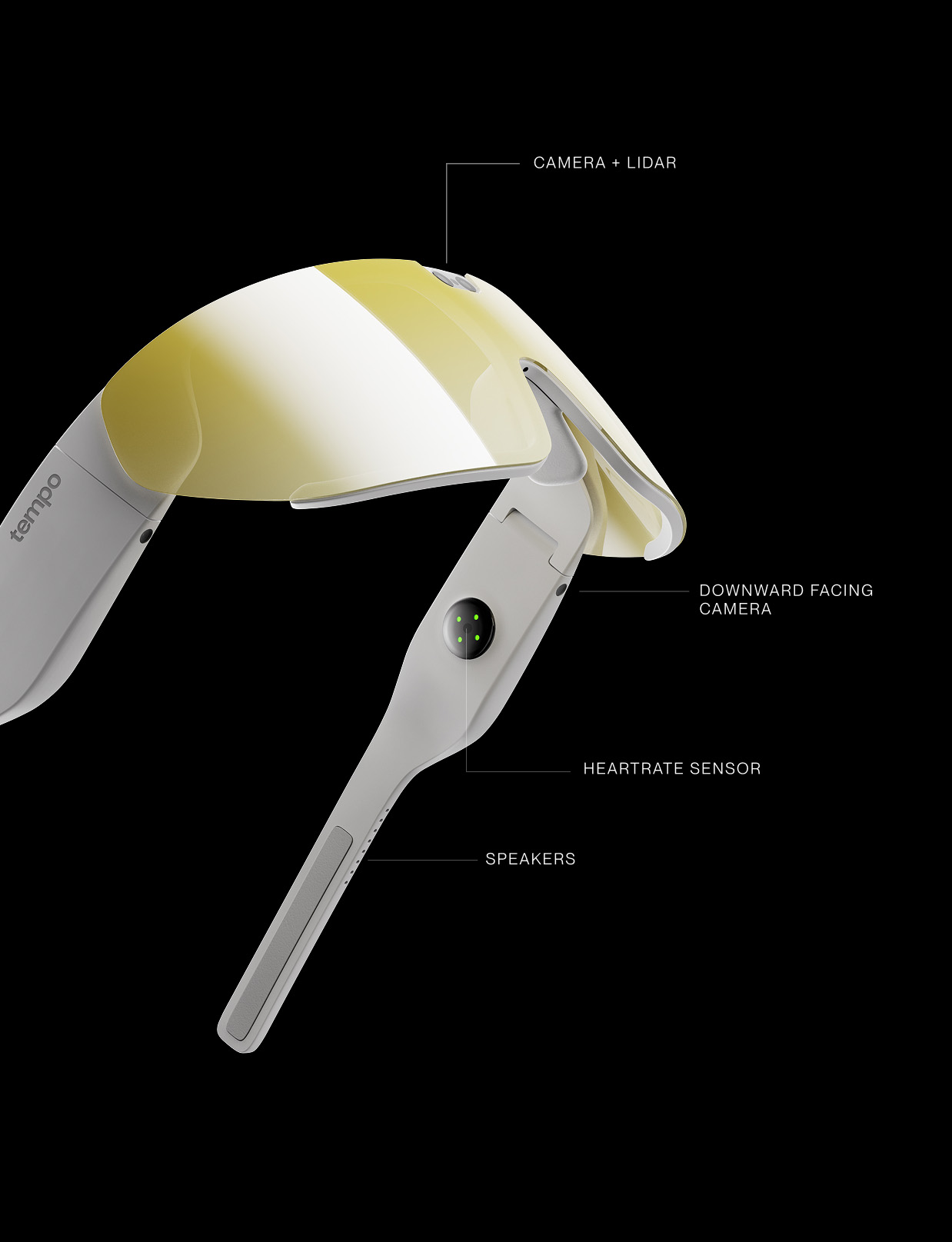
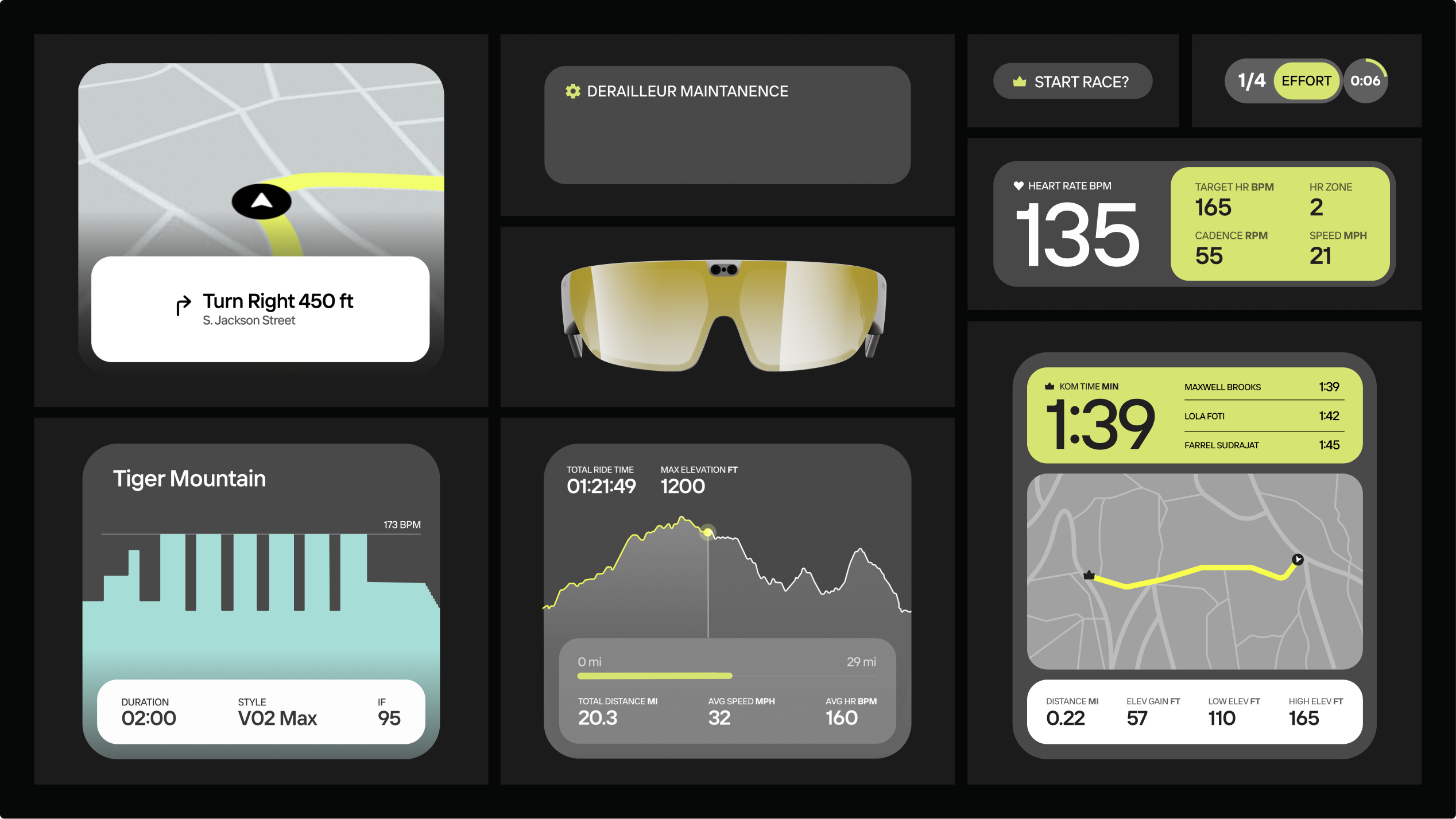
The functionality of a phone, earbuds, bike computer, heart rate monitor, and cadence sensor is combined into one system. Directions, heart rate, speed, and music are all accessible with the flick of a finger, reducing friction and allowing cyclists to stay focused on the ride.
development
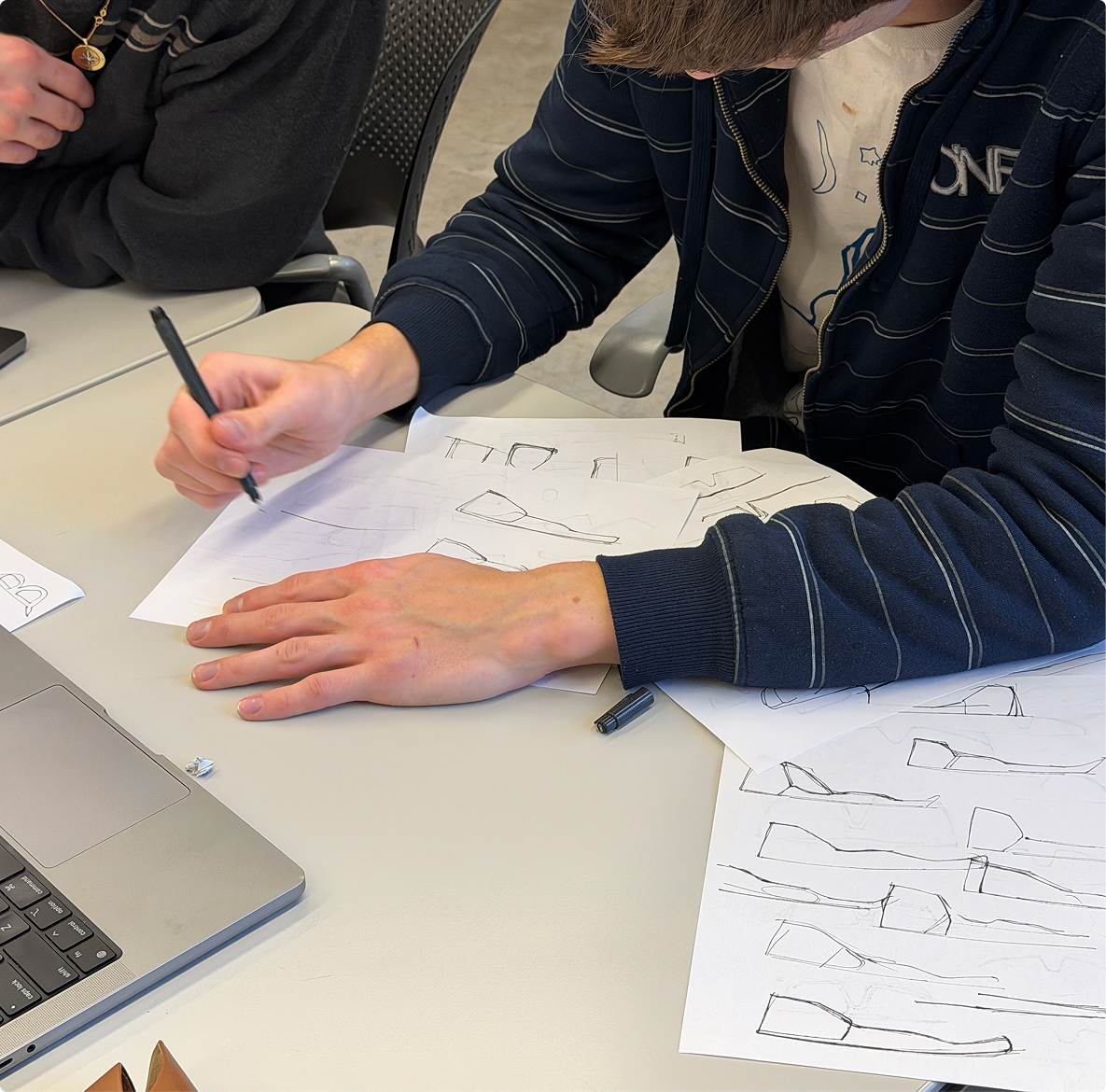
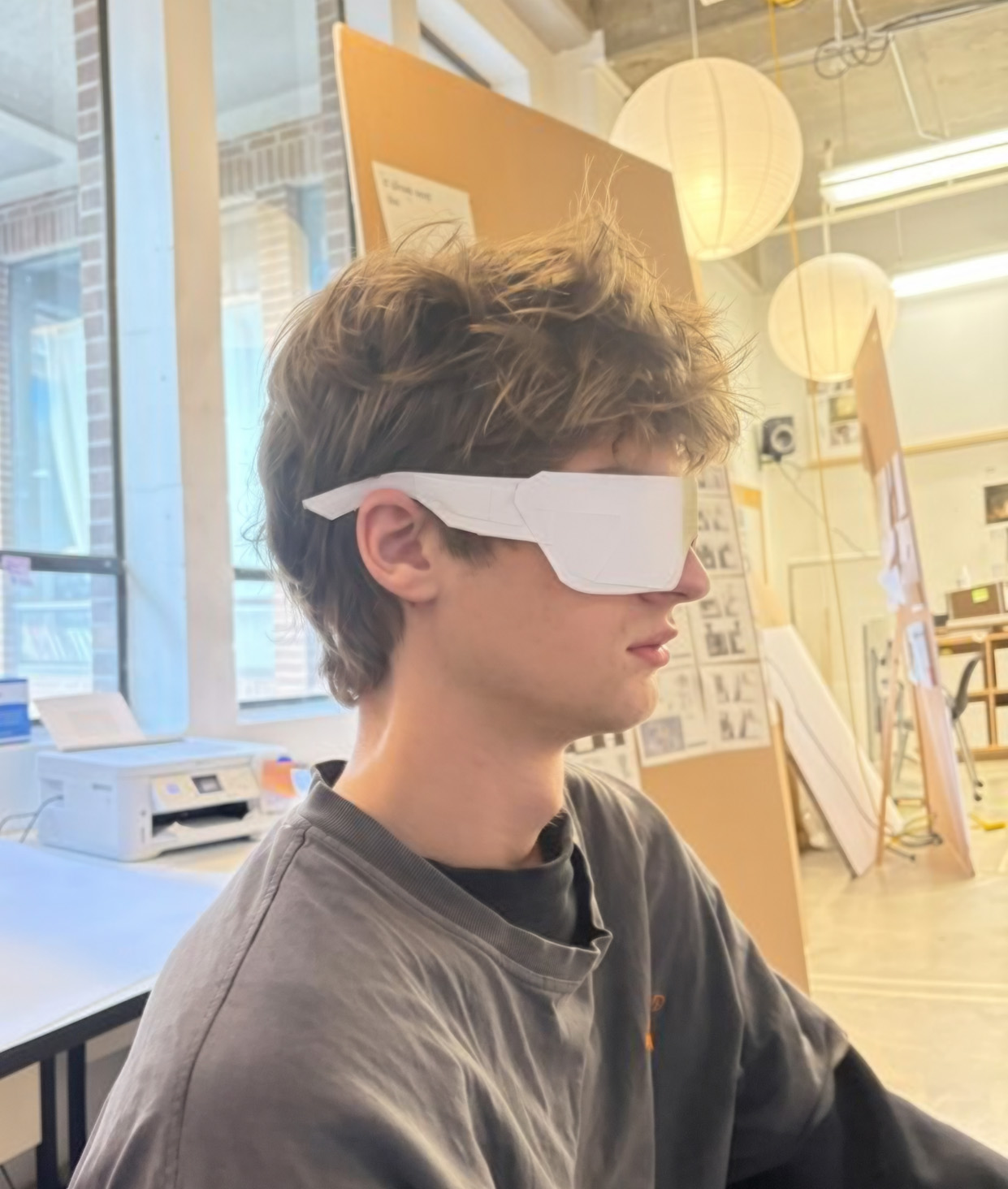
Tempo's design language is an opportunistic balance between future-forward and familiar: informed by the current state of the smart glasses industry, while leaning into features/form factors that we deemed might be feasible in ten years.
interface
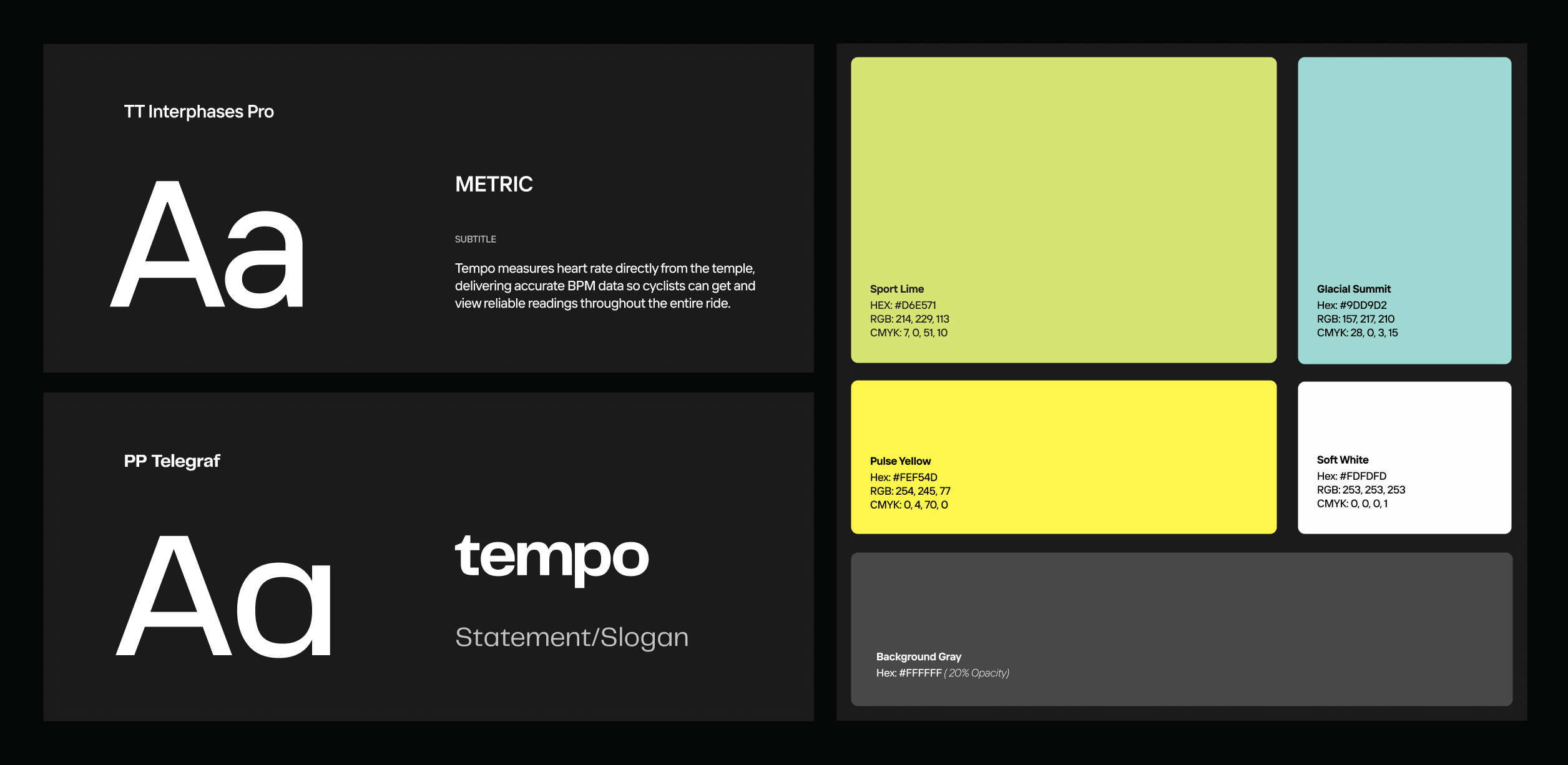
Working within the limitations of additive light, the team selected colors near 100% CMYK values to maximize UI legibility. Paired with TT Interphase, this ensured a highly readable interface in AR. This approach was carried through both the interface and the physical design of the glasses to create a cohesive framework.
control
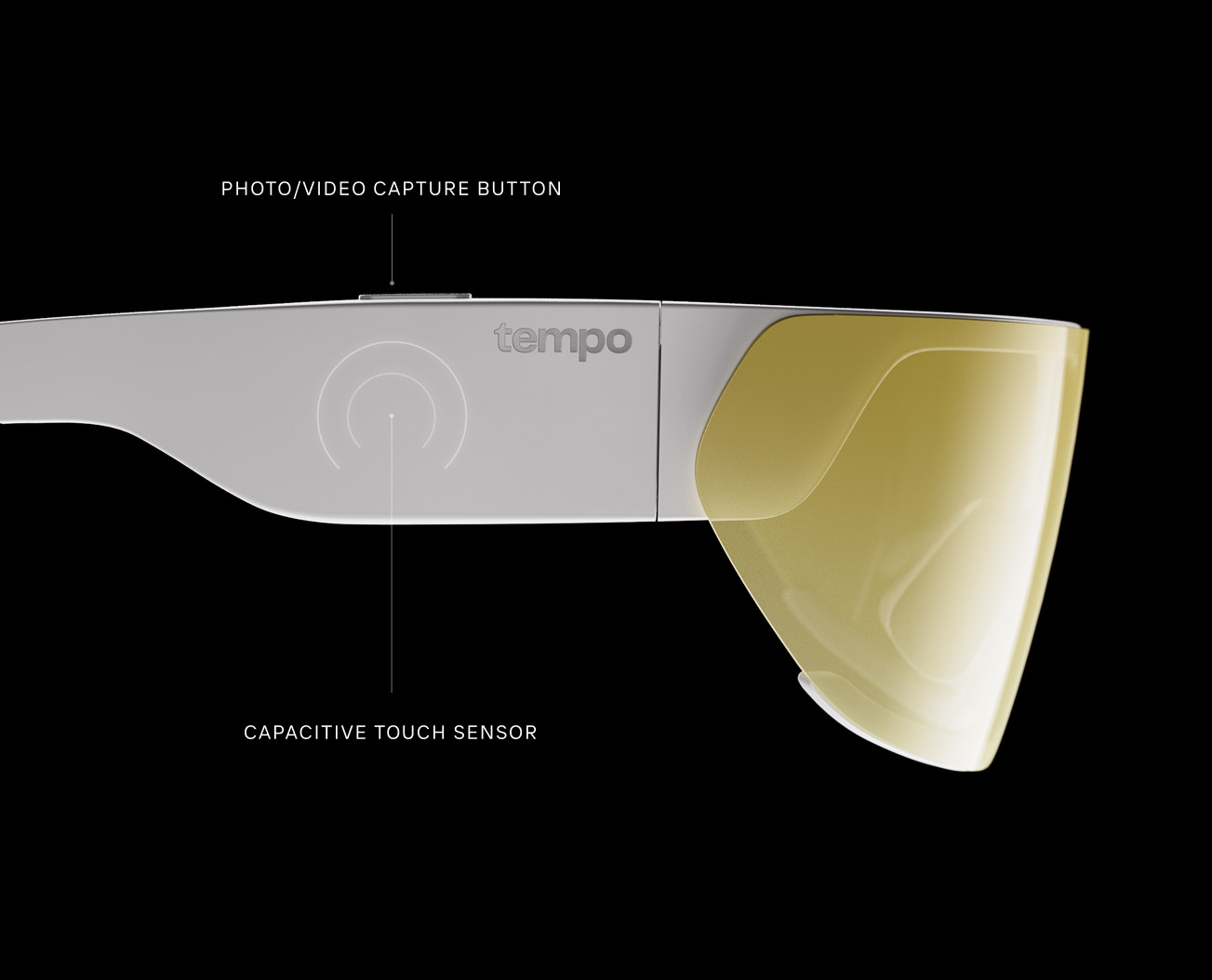
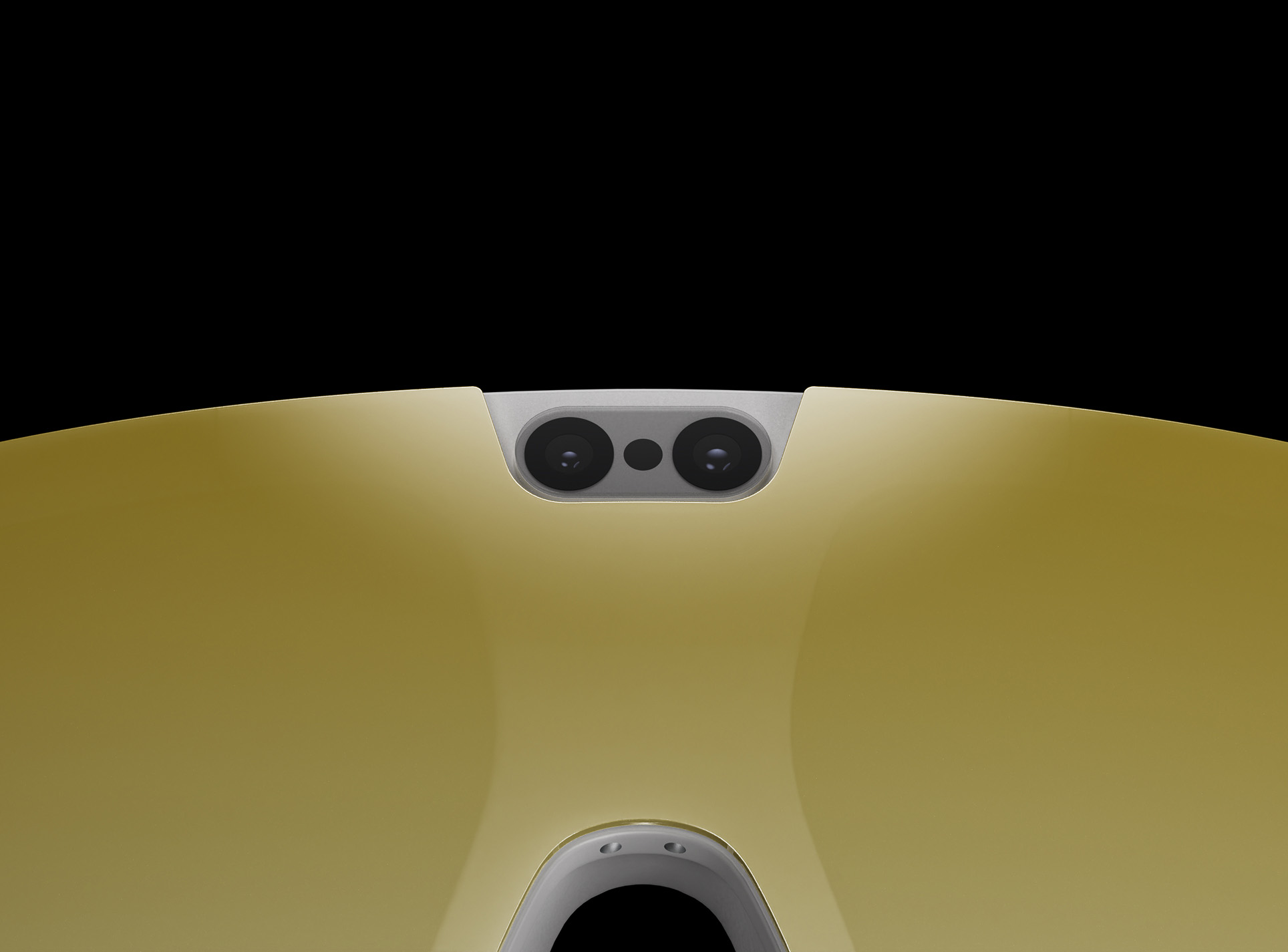
Leveraging the cameras built into the glasses, the team developed a gestural navigation system that allows cyclists to move through screens using simple hand movements, such as raising an index finger for aero bars or using thumb gestures on flat bars.
COnclusion
Tempo brings together the core tools performance cyclists rely on into one seamless experience, combining the excitement of racing, the power of performance tracking, and route planning in a single system. By reducing friction, it allows cyclists to focus on what they love most: riding and enjoying the outdoors.